


Welcome to the Department of Economics
The economic environment has never halted to be evolving and challenging. From Asian Financial Crisis in 1997-98 to Global Recession in 2008, policymaker faces mounting challenges to bring the nation sailing through all the difficulties. In addition, to move Malaysia toward the high-income country status requires design and implementation of efficient growth policy. A promising economic education is thus critically important to produce leaders, researchers, and policymakers that are well-informed for more effective policy and a better national economy. From another vantage point of view, even issues that are described as social issues, such as health care, education, and the environment, can be better understood by an appreciation of tradeoff, opportunity cost, and cost-benefit analysis, to name just a few core economic principles. The choice an individual as consumer, worker, investor, entrepreneur, and even voter makes is linked to the society and economy. Therefore, it is beyond doubt that economic and financial literate individuals would make better decisions, benefiting the society and the whole economy.
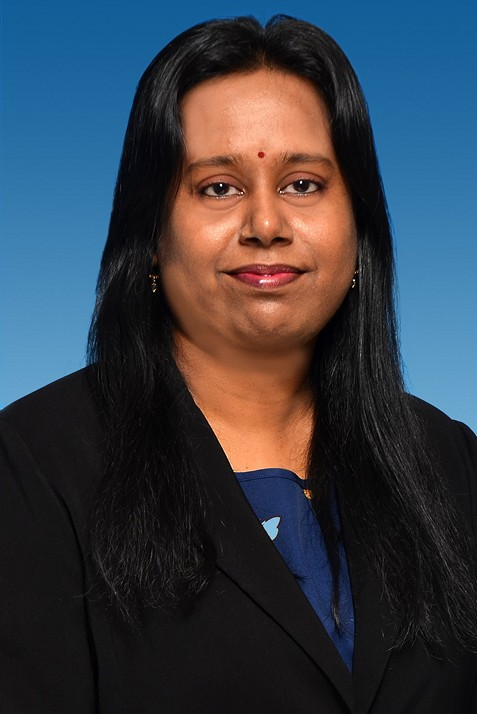
On the other hand, fast expanding business community is in huge need for graduates who understand market and economy, both domestic and international, and are able to perform strategic planning and quantitative analysis. he Bachelor of Economics (Honours) Financial Economics thus aims to prepare students with both sound theoretical understanding and empirical ability with respect to economic and finance issues. Throughout, this programme aims to cultivate the critical thinking and analytical skills of the students in analyzing economic issues and phenomenon. The programme provides the opportunities for undergraduates to do economics. The learning outcomes of the programme emphasize hugely on the ability of the undergraduates to comprehend the fundamental concepts of economics, and to scientifically apply the theories of economics and finance in understanding real-world economic issues. I, thus, on behalf of the Department of Economics, welcome you on board. Dr. Thavamalar a/p Ganapathy Assistant Professor / Head of Department Department of Economics |